Land data into your warehouse fast, and trust it even faster
Batch pipelines for volume, CDP for low-latency updates, plus schema evolution, observability, and governance, without the glue code.
What is ROAD DWI?
Scales with your growth: distributed ingestion, parallel loaders, and adaptive micro-batching for data loads.
Warehouse-native: push-down ELT, high-throughput upload, and type-aware upserts for Snowflake, Postgres, and Oracle.
Governed & observable: end-to-end lineage, data quality checks, audit trails, and automatic replay on failure.
Business Challenges
Here are the problems that Data Warehouse Ingestion can tackle, both from a business and technical perspective.
Data Silos Across Systems
- Organizations often have data scattered across ERP, CRM, HR, financial systems, and custom applications.
- Ingestion solutions break down silos by consolidating data into a central warehouse for unified analytics.
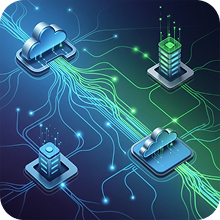
Manual & Error-Prone Data Movement
- Without automation, teams rely on manual exports, scripts, or point-to-point integrations.
- This leads to delays, inconsistencies, and higher error rates.
- Ingestion automates pipelines for reliable, repeatable processes.

Slow or Outdated Reporting
- Traditional batch loads may refresh once a day or week, leaving business decisions based on stale data.
- Ingestion platforms support real-time or near real-time feeds, ensuring dashboards and reports are always current.
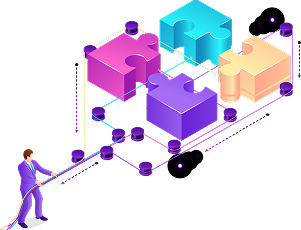
Complexity of Handling Multiple Formats
- Source systems produce data in different formats (structured, semi-structured like JSON/XML, or unstructured)
- Ingestion tools normalize and transform them into a warehouse-ready format (SQL tables, parquet, etc.).
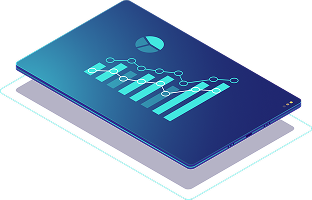
Scaling Issues with Data Volume Growth
- As data volume grows (IoT, logs, transactions), custom scripts or legacy ETL tools struggle to keep up
- Ingestion solutions are built to scale horizontally and support modern cloud warehouses like Snowflake, Databricks, etc.
High Cost of Custom Development
- Building in-house ingestion scripts requires ongoing maintenance for schema changes, new APIs, and evolving business logic
- A centralized ingestion solution reduces development overhead and provides a plug-and-play model
Lack of Governance & Data Lineage
- Without a centralized approach, it's hard to trace where data came from, how it was transformed, and who accessed it.
- Ingestion platforms enforce governance, metadata tracking, and full lineage for compliance (GDPR, HIPAA, SOX)
Delayed Cloud Migration & Analytics Initiatives
- Legacy on-prem data pipelines often block organizations from leveraging cloud warehouses and AI/ML analytics
- Ingestion accelerates modernization by providing connectors for on-prem and cloud simultaneously
Performance Bottlenecks
- Poorly designed pipelines cause slow queries, data latency, and warehouse overload.
- Ingestion solutions optimize extraction, staging, and loading to balance performance and cost.
Limited Self-Service for Business Teams
- Business analysts may depend heavily on IT for every new data request
- With automated ingestion, fresh data is continuously available, empowering analysts with self-service BI and reducing IT bottlenecks

Change Data Propagation (CDP) Spotlight
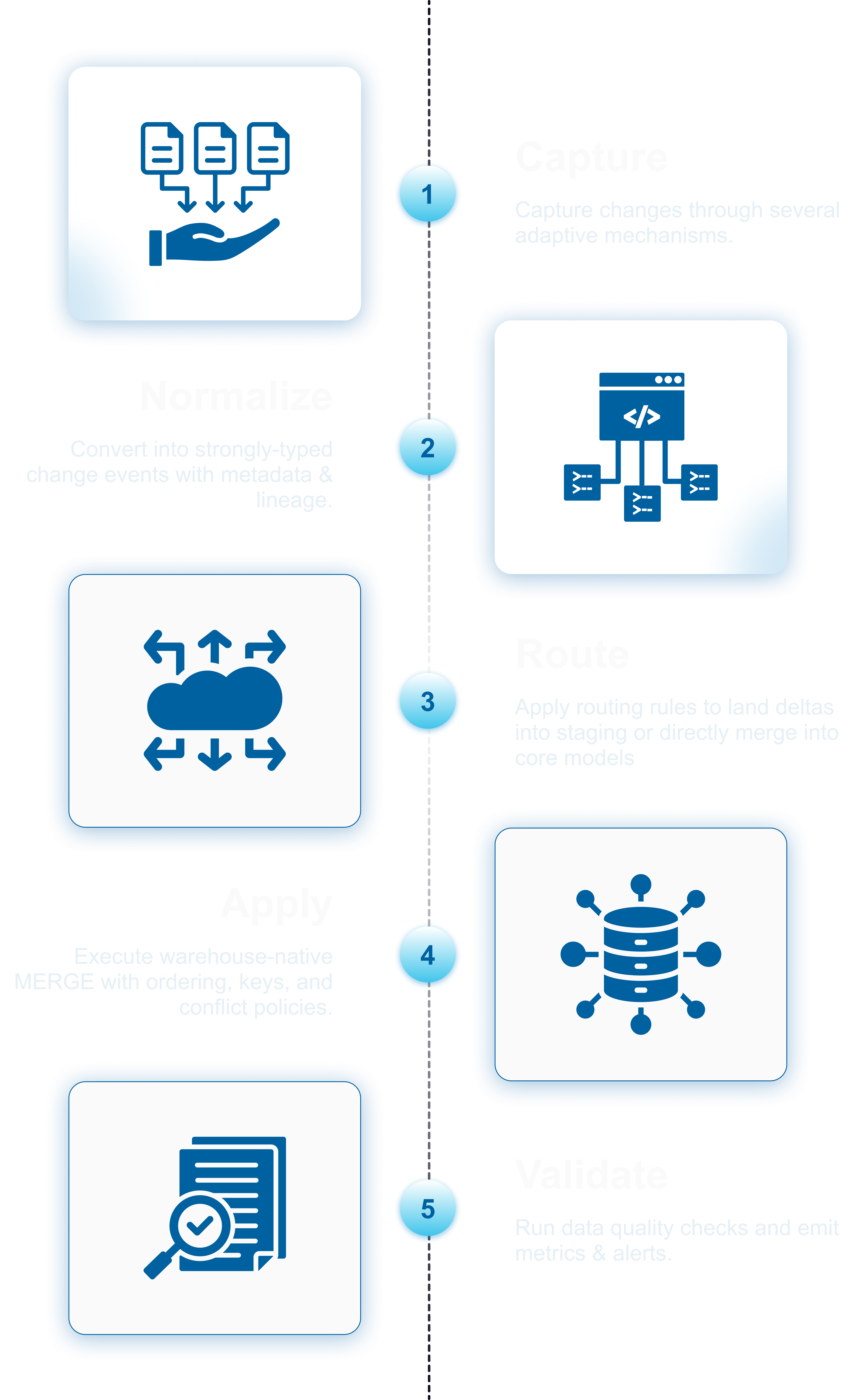
Capture the deltas from sources without impacting the performance, then propagate the deltas into the warehouse.
Low latency
Stream changes within seconds with checkpointed, resumable pipelines.
Warehouse-native merges
Type-safe inserts & deletes via MERGE.

Exactly-once semantics
No duplicates, even on retries.

Propagate eligible changes
When slicing/subsetting the data only the eligible changes are propagated.
How It Works
Capabilities

High-throughput batch
Parallel extract/load, file chunking, and avoid-merge strategy.

Schema evolution
Auto-migration, type mapping, and nullability guards during ingestion.

Governance & lineage
Data lineage, audits, PII/PCI/PHI masking, and encrypted data at-rest/in-flight.

Observability
SLIs, backpressure metrics, alerting, and replayable checkpoints.

Warehouse-native ELT
Push-down transforms for Snowflake, Postgres, and Oracle.

Extensible
Hooks for custom routing, Data Quality checks, and domain-specific transforms.

Data Transformations
Transform values via normalization, masking, encryption, and deduplication.



See Change Data Propagation in Action
We'll load your sample schema and show batch vs CDP side-by-side, end-to-end in under 10 minutes
Book a 15-min call
